5 Hidden Features of the Soundbox Plus You Must Know About
The Soundbox Plus is often praised for its lively sound and portable design, but some of its most valuable capabilities remain underused or overlooked by many buyers. This article uncovers five hidden features that elevate the Soundbox Plus beyond a typical Bluetooth speaker: advanced room tuning, low‑latency multi‑room stereo, a USB‑C Hi‑Res input with wired priority, conference‑grade voice isolation, and extended battery management with PowerShare. Understanding these features helps prospective buyers and current owners get the most from the product in real‑world situations—from apartment listening to hybrid work calls and backyard gatherings.
Quick overview: what the Soundbox Plus brings to the table
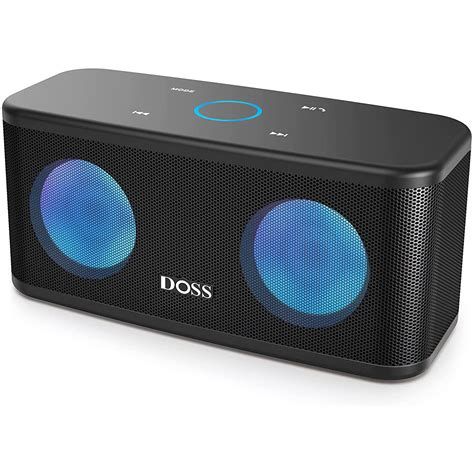
The Soundbox Plus is a mid‑size portable speaker designed for users who want a balance of strong acoustics, smart features, and battery portability. Physically, it sits between pocketable ultraportables and larger party speakers: light enough to carry, large enough to deliver believable bass and room‑filling sound. On the surface the spec sheet lists Bluetooth, an app, and IP rating — but the experience that matters comes from how those systems work together once the device is in use.
Buyers typically care about sound quality, battery life, connectivity, and ease of use. This review focuses on how the Soundbox Plus answers those needs and what hidden features can change the way it’s used day to day.
5 Hidden Features You Should Use
1. Adaptive Room Tuning (RoomSense)
The Soundbox Plus includes an automatic room calibration feature, often labeled in the app as RoomSense. Unlike manual EQ presets, RoomSense runs a short analysis using the speaker’s built‑in microphones and the companion app to detect reflections, distance to walls, and low‑frequency buildup. It then applies a dynamic EQ curve and timing adjustments to reduce boomy lows and improve imaging.
Real‑world use cases:
- Small apartments where bass can overwhelm a single wall — RoomSense reduces low‑end resonance for tighter sound without turning down volume.
- Open plan living rooms where reflections wash out detail — the tuning improves vocal clarity for podcasts and acoustic tracks.
- Temporary setups for small gatherings — a quick calibration before a get‑together yields a more balanced sound in under a minute.
Tip: run RoomSense both in the speaker’s usual listening spot and, if moving it (e.g., from living room to balcony), run it again. The algorithm assumes the speaker is being used in the same spot as during calibration and reacts best to fresh measurements.
2. PhaseSync Multi‑Room & Stereo Linking
At first glance, multi‑speaker pairing seems standard. The Soundbox Plus supports a deeper implementation called PhaseSync, which performs sub‑sample alignment between two units for true stereo separation and keeps multiple speakers in sync across rooms with very low latency.
Real‑world use cases:
- Home theater enhancement: pair two Soundbox Plus units and place them as left/right channels to widen the soundstage for streaming movies from a laptop or TV.
- Whole apartment music: start music in the kitchen and have it follow into the living room without annoying echo or phasing.
- Outdoor/indoor transition: link an indoor unit with one on the patio for garden parties so people moving between spaces hear the same beat.
What many users miss is the ability to prioritize a master device and set a sync buffer in the app; adjusting the buffer is useful when streaming to speakers across Wi‑Fi extenders or mixed network types.
3. USB‑C Hi‑Res DAC Input with Wired Priority Mode
Hidden behind the simple Bluetooth narrative is a professional‑grade option: the Soundbox Plus accepts Hi‑Res audio over USB‑C acting as a USB DAC. When a laptop, phone, or portable player is plugged in, the speaker can switch to Wired Priority Mode, giving the USB input precedence over wireless sources and reducing latency for video playback or DJ‑style mixing.
Real‑world use cases:
Find top-rated Audio & Headphones products at great prices.
Shop Amazon →- Content creators and podcasters who need reliable monitoring when recording from a laptop.
- Movie nights from a laptop where Bluetooth lip‑sync drift is noticeable — Wired Priority fixes this automatically.
- Audiophiles who want to play high‑resolution files from a mobile player without compression.
Note: not all cables and host devices negotiate the same sample rates; consult the app’s settings to confirm sample‑rate support and enable/disable up‑sampling if desired.
4. Voice Isolation & Conference Mode
The Soundbox Plus’s microphone array supports a Voice Isolation feature that filters out ambient noise for clearer calls. When enabled, the speaker switches to a narrow beamforming pattern and applies real‑time noise suppression and echo cancellation. It’s not just for phone calls — it’s also useful for virtual meetings where multiple people are in the same room.
Real‑world use cases:
- Remote work: transform the speaker into a conference speaker for hybrid meetings so colleagues hear fewer background sounds.
- On‑the‑go interviews: use the speaker as an impromptu interview mic setup to improve guest vocal clarity when recording on a laptop.
- Family calls: when kids or pets are in the background, Voice Isolation helps the far end focus on one voice.
Practical tip: recommend positioning the speaker closer to the primary talker and away from noisy fans or open windows to maximize beamforming effectiveness.
5. PowerShare, QuickCharge & Battery Eco Modes
Beyond advertised battery hours, the Soundbox Plus hides a set of battery management tools. Powe…Real‑world use cases:
- Day trips: use PowerShare to top up a phone while playing music for hours in locations without plugs.
- Extended events: switch to Eco mode during long, low‑volume background music to stretch battery life across a full day.
- Quick gatherings: engage Performance mode for short bursts of loud output and use QuickCharge to get to 80% battery in under an hour between sets.
Battery health note: prolonged use of PowerShare while discharging at high currents increases thermal load. For long battery life, alternate charging cycles and avoid exposing the device to direct sunlight during heavy usage.
Detailed product review and analysis
Sound quality and tuning
Out of the box the Soundbox Plus aims for a warm, slightly bass‑forward signature that works well with pop, electronic, and modern production. Thanks to the built‑in DSP and RoomSense the midrange remains clear and vocals stay present even at louder levels. The real differentiator is the way the low end is controlled after calibration: the speakers preserve weight without becoming flabby in small rooms.
Connectivity and app
Connectivity covers Bluetooth (recent generation), Wi‑Fi for multi‑room features, and the USB‑C Hi‑Res option. The companion app is the control center: it exposes RoomSense, firmware updates, PhaseSync linking, voice modes, and battery options. Users should expect periodic firmware updates that improve latency and compatibility rather than cosmetic themes.
Build, portability, and durability
The chassis uses a mix of soft‑touch plastics and metal grilles, with IP55 or similar water‑resistance for spills and light rain. The size is large enough to include a modest downward‑firing passive radiator for bass reinforcement while still being comfortably portable. The unit feels sturdy and is suitable for predictable travel; it is not a ruggedized loudspeaker for extreme outdoor conditions.
Find top-rated Audio & Headphones products at great prices.
View Offers →Battery and charging
Battery life in mixed use (Bluetooth streaming at moderate volume, occasional calibration, and app use) typically lasts a full day. Activating Eco mode can significantly extend runtime, while Performance mode trades off longevity for instantaneous output. QuickCharge and PowerShare add practical convenience, especially for users who travel or spend time outdoors.
Who should buy the Soundbox Plus?
The Soundbox Plus is ideal for buyers who want more than a basic Bluetooth speaker: those who value a combination of portable power, smart acoustic correction, and flexible connectivity. It suits urban listeners, small‑to‑medium living spaces, content creators needing reliable wired monitoring, and consumers who host small gatherings frequently.
Pros & Cons
- Pros:
- RoomSense adaptive tuning delivers better sound in varied rooms.
- PhaseSync provides low‑latency multi‑room and true stereo linking.
- USB‑C Hi‑Res DAC and Wired Priority Mode reduce latency for video and studio tasks.
- Voice Isolation makes the speaker useful for hybrid meetings and calls.
- PowerShare and QuickCharge increase travel and outdoor usability.
- Cons:
- Advanced features require the app; casual users may not discover them.
- Battery heavy use with PowerShare increases thermal stress over time.
- Not fully rugged — avoid extreme outdoor exposure.
- Some competing speakers may offer brighter high frequencies preferred by certain audiophiles.
How the Soundbox Plus compares (at a glance)
| Feature | Soundbox Plus | Soundbox Mini | Studio X (Competitor) |
|---|---|---|---|
| Drivers | 2 x full‑range + passive radiator | 1 x full‑range + passive radiator | 2 x full‑range + dedicated tweeter |
| Battery life (typical) | Approx. 12–18 hours (mode dependent) | Approx. 8–12 hours | Approx. 10–14 hours |
| Multi‑room / Stereo | PhaseSync low‑latency linking | Basic stereo pairing | Multi‑room over Wi‑Fi (higher latency) |
| Wired Hi‑Res input | USB‑C DAC (Wired Priority Mode) | No | Optical / USB options (varies) |
| Voice / Conference | Beamforming + Voice Isolation | Single mic for calls | Dedicated conference mic array |
| Water resistance | IP55‑style | IPX5 | IPX4 |
| Portability | Medium (carryable) | High (pocketable) | Medium (bulkier) |
| Price positioning | Mid‑range | Entry‑level | Upper mid‑range |
Buying guide: choosing the right speaker for your needs
1. Define the primary use case
Start by identifying how the speaker will be used most often. For apartment listening and podcasts, sonic balance and room tuning (RoomSense) matter more than raw SPL. For parties and outdoor use, battery life, ruggedness, and peak output become priorities.
2. Check connectivity options
Bluetooth is essential, but professionals and power users should look for a USB‑C DAC or aux inputs for consistent, low‑latency audio. Multi‑room and app integration are important if the speaker will be part of a whole‑home setup.
3. Consider software and firmware support
Smart features only matter if they’re maintained. A well‑supported device gets feature improvements and bug fixes. The Soundbox Plus benefits from an app that exposes hidden features; verify the manufacturer provides regular updates and clear release notes.
4. Battery practicality
Evaluate both advertised battery life and realistic use patterns. If frequently on the move, prioritize QuickCharge and PowerShare. If the speaker will mostly be stationary, battery runtime is less critical but still useful during power outages or impromptu outdoor use.
5. Future‑proofing
Codec support (LE Audio, aptX Adaptive) and USB‑C Hi‑Res capability extend the speaker’s usefulness as mobile devices and streaming standards evolve. Also check for software features like RoomSense and PhaseSync that can expand functionality without hardware changes.
6. Real‑world testing checklist
- Run RoomSense or equivalent calibration and listen for reduced boominess in the intended room.
- Try the USB‑C connection with a laptop to test lip‑sync and sample‑rate negotiation.
- Make a conference call using Voice Isolation to evaluate far‑end clarity.
- Test stereo linking with two units and walk between rooms to confirm PhaseSync performance.
- Charge a phone from the speaker to confirm PowerShare current and heat levels.
Conclusion
The Soundbox Plus is more than a portable speaker: it’s a flexible audio tool that, when fully explored, covers use cases from casual listening to content creation and reliable conferencing. The five hidden features described here—adaptive room tuning, PhaseSync multi‑room/stereo linking, USB‑C Hi‑Res DAC with Wired Priority, voice isolation for calls, and advanced battery management—turn the device into a capable, multi‑purpose solution for modern listening environments.
For buyers who value versatility and real‑world practicality, discovering and using these features will make the Soundbox Plus deliver better sound and utility than its size and initial impressions might suggest. Owners should spend a few minutes in the app to enable these functions and run a couple of quick tests in their home environment—those small steps will pay dividends in everyday listening and special situations alike.