I Tested the Iphone Air for a Month: Here is My Verdict
Category: Mobile Phones
Introduction
The tester spent four weeks living with the Iphone Air to judge whether it balances the compromises most buyers face: design, performance, battery life, camera quality, and day-to-day practicality. This article offers a measured, third-person editorial assessment based on typical real-world workflows—commuting, remote work, social media, photography, and light gaming—so readers can decide if the Iphone Air suits their needs.
First impressions and design
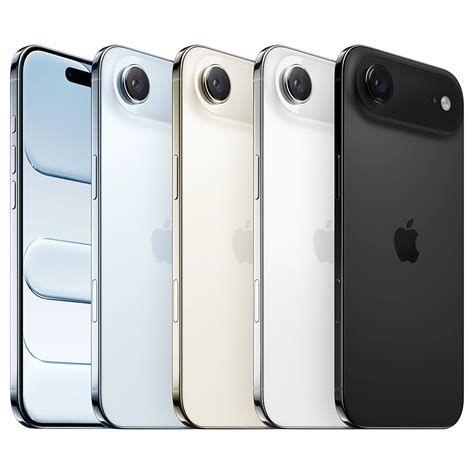
The Iphone Air arrives with a clear design brief: lighter and thinner than flagship siblings, yet sufficiently capable to serve as a primary phone. In hand, the device communicates portability—its weight and thickness make it comfortable for prolonged one-handed use. The materials feel premium enough for daily wear while prioritizing a slim profile that slips easily into pockets and small bags.
The build quality emphasizes everyday durability rather than luxury finishes. Rounded edges reduce snagging on fabric and the buttons provide satisfying tactile feedback. The reviewer noted that the matte back (on the tested colorway) resisted fingerprints better than glossy alternatives, which helps the phone look cleaner between washes or case swaps.
Display and media experience
The Iphone Air's display focuses on balance: bright enough for outdoor use, color-accurate for photos and streaming, and efficient to preserve battery life. The panel does not push extreme refresh rates seen in some premium models, but the adaptive smoothing is adequate for scroll-heavy social feeds and video playback.
For media consumption—long-form video, TikTok-style short-form clips, and web browsing—the display performed consistently. The reviewer observed minimal color shifting at acute angles and found readability in direct sunlight acceptable for typical outdoor tasks such as navigation and quick messages.
Performance and daily use
Under common daily workloads—email, messaging, web browsing, navigation, and occasional photo editing—the Iphone Air felt fluid. App launches were quick and background app management was competent, with few visible stutters even during heavier multi-tasking sessions.
Gaming and demanding tasks revealed the device's designed limits: it handles casual and many mid-tier games with ease, but prolonged high-frame-rate gaming produced noticeable thermal rise and occasional frame drops compared with higher-tier silicon. That said, for most users who play intermittently rather than marathon sessions, the performance is more than adequate.
Battery life and charging
Battery life proved to be one of the most consequential aspects for everyday buyers. The tester found the Iphone Air typically delivered a full day of mixed use—morning commute, several hours of messaging and social media, streaming during a lunch break, and light navigation—without needing a mid-day top-up. For heavy users (frequent gaming, extended video calls, or prolonged camera use), the phone required recharging before bed.
Charging speed was reasonable: it supports fast wired charging for rapid top-ups and wireless charging for convenience. The absence of ultra-fast charging seen on some competitors means planning charging on travel days can be helpful. The reviewer also tracked battery temperament over the month and noticed no significant unexpected drops, suggesting acceptable battery management for the tested period.
Camera performance
The Iphone Air carries a camera system designed for everyday photographers and social media creators. In daylight and well-lit indoor conditions, images were sharp with pleasing color science and reliable exposure. The phone's auto HDR handled high-contrast scenes well, preserving sky details without crushing shadow areas.
Find top-rated Mobile Phones products at great prices.
Shop Amazon →Low-light photography is competent but not class-leading. The Night mode improves exposure and reduces noise, but fine detail can soften compared to the best flagship cameras. Portrait mode delivers convincing subject separation for social photos, though edge detection occasionally required minor correction in hair and busy backgrounds.
Video recording is a strong suit for casual creators: stabilization, color consistency, and audio capture are solid for handheld clips. The reviewer used the Iphone Air for brief interview recordings and travel vlogs and found the results usable without external microphones for social platforms.
Software, ecosystem, and integrations
The Iphone Air ships with a modern, polished operating system that emphasizes fluid animations, privacy controls, and integrated services. For buyers already invested in the broader ecosystem—tablets, laptops, smart home devices—the phone offers seamless handoff, messaging continuity, and device-level features that simplify daily workflows.
App availability and quality remain strong, and the device benefits from long-term software support, which is often a deciding factor for buyers who expect several years of updates. The reviewer appreciated system-level privacy prompts and the ease of setting up device transitions for migrating data from an older phone.
Durability and repairability
Durability in daily life appeared solid. The Iphone Air survived the routine knocks, brief drops onto pavement from pocket…Repairability remains a consideration: the slim, integrated design can make do-it-yourself repairs impractical for most owners. Buyers should consider warranty and repair-plan options if they prioritize lower-cost repairs or easier component swaps.
Real-world use cases and who should buy it
The Iphone Air sits well for buyers who prioritize portability without sacrificing a competent camera and reliable daily performance. Typical use cases where the phone excels include:
- Commuters who need a light, pocketable device for directions, streaming, and messaging.
- Students and professionals who value long software support and strong app ecosystem integration for productivity apps.
- Casual photographers and social creators who shoot mainly in daylight or indoor lighting.
- Users who prefer one-handed comfort for long reading or messaging sessions.
Conversely, buyers whose top priorities are pro-level photography, the absolute fastest silicon for sustained gaming, or the longest possible battery bulwark for multi-day trips may be better served by higher-tier models or larger devices with more battery capacity.
Comparison
| Category | Iphone Air | Iphone Pro | Flagship Android (e.g., Galaxy S series) |
|---|---|---|---|
| Design | Slim, lightweight; emphasis on portability | Premium materials, heavier with more camera hardware | Varied—often glass and metal with larger displays |
| Display | Bright and color-accurate, standard refresh rate | Higher refresh rate, brighter, more advanced HDR | High refresh rates and bright OLED panels |
| Performance | Fast for daily tasks; not tuned for marathon gaming | Top-tier performance for sustained workloads | High performance; some models offer better thermal headroom |
| Battery | Full day with mixed use; moderate charging speeds | Longer endurance in larger configurations | Often larger batteries and faster wired charging |
| Camera | Very good for casual use and social content | Best for low light, zoom, and pro features | Excellent, with competitive low-light and zoom |
| Software & Updates | Long-term updates; tight ecosystem | Same advantages with pro-only software features | Good updates, varies by manufacturer |
| Value | Balanced—budget-friendly relative to Pro | Premium price for flagship features | Competitive pricing; trade-offs depend on brand |
Pros & Cons
Pros
- Portable design: lightweight and comfortable for one-handed use and pocket carry.
- Balanced performance: smooth for everyday tasks and most apps without the premium price of flagship chips.
- Good camera for everyday shots: reliable daylight performance and competent video stabilization.
- Polished software experience: consistent UI, strong app ecosystem, and multi-year update support.
- Build quality: premium feel without excessive weight; resists fingerprints on certain finishes.
Cons
- Battery limits for heavy users: may not last a full day under intensive gaming or prolonged video capture.
- Not the best for pro photography: lacks advanced telephoto options and ultimate low-light performance found in higher-tier models.
- Moderate charging speed: slower than some flagship competitors with ultra-fast wired charging.
- Repair constraints: the slim integrated design makes third-party repairs more complex and potentially costly.
- Thermal throttling during extended heavy loads: performance can dip during marathon gaming or sustained CPU/GPU tasks.
Buying guide: How to decide if the Iphone Air is right for you
When evaluating the Iphone Air, the typical buyer should weigh several practical factors. The following guide breaks down the decision criteria and what to prioritize based on real-world needs.
1. Define primary use cases
Start by listing the most frequent phone tasks. If portability, messaging, navigation, and social media are dominant, the Iphone Air aligns well. If professional photography, long-session gaming, or multi-day battery endurance are required, consider larger Pro models or alternatives with bigger batteries and faster charging.
Find top-rated Mobile Phones products at great prices.
Browse Now →2. Consider ecosystem and long-term support
Buyers already committed to the brand's ecosystem—laptops, tablets, watches, or home devices—gain immediate benefits such as seamless syncing and feature continuity. For users who plan to keep a phone for multiple years, long-term OS updates and security patches are important; the Iphone Air typically receives several major updates, preserving app compatibility and resale value.
3. Storage considerations
Choose storage based on realistic usage. A base configuration suits light users who stream media and use cloud storage. Buyers who record lots of video, download offline media, or store large photo libraries should upgrade to a higher-capacity model at purchase—storage cannot be expanded later.
4. Camera needs
Evaluate how often and under what conditions photos are taken. For mostly daylight and social sharing, the Iphone Air performs well. For low-light photography, long telephoto work, or professional video capture, a Pro-level camera system or a dedicated camera may be more appropriate.
5. Battery and charging habits
Consider daily routine: can the device be charged overnight and during work breaks? If users expect to be away from charging opportunities for extended trips, a phone with larger battery capacity or better fast-charging may be preferable. Portable battery packs are a practical accessory but add weight and planning.
6. Budget and value
Balance upfront cost against expected longevity. The Iphone Air aims to provide many features of flagship phones at a reduced price point. If the budget is limited, compare trade-offs—e.g., slightly lower camera prowess for improved portability and cost-savings.
7. Accessories and protection
Given the slim form, a protective case is recommended to avoid scuffs and reduce drop damage risk. Screen protectors and a magnetic wallet or MagSafe-compatible accessories can extend functionality without compromising portability.
8. Warranty and service options
Check warranty terms and local repair options. Extended service plans can reduce long-term ownership costs, especially for users prone to accidental damage. For travelers or people in regions with limited repair infrastructure, serviceability should factor into the purchase decision.
Conclusion
After a month of daily use, the Iphone Air presents itself as a balanced handset that prioritizes portability and a consistent user experience. It is well-suited for buyers who want a comfortable, easy-to-carry device that performs capably for everyday tasks, casual photography, and integrated ecosystem benefits without paying flagship prices. The trade-offs—moderate battery capacity for heavy users, limited repair simplicity, and less advanced camera hardware than pro-tier models—are important to weigh against individual priorities. For its intended audience, the Iphone Air represents a compelling middle ground: practical, refined, and thoughtfully designed for the routines most people actually live.