Which is Better Value? Xiaomi 15T Pro vs Pixel 10 Pro Fold Compared
Introduction
Foldable phones continue to reshape buyer expectations around what a smartphone can be, while powerful slab flagships press hard on price-to-performance and camera quality. The Xiaomi 15T Pro and the Pixel 10 Pro Fold represent two different answers to those trends: one focused on delivering high-end performance and value in a traditional candy-bar form, the other prioritizing a larger, flexible display and multi-tasking productivity in a foldable package.
This article evaluates both devices through the lens of real-world use cases—daily productivity, photography, media consumption, portability, durability, and long-term ownership costs. Instead of focusing solely on benchmarks or press-release specs, the comparison emphasizes what buyers typically care about: battery life under real use, camera versatility for social and creative work, software experience and updates, and the practical trade-offs of a foldable hinge and larger screen.
Detailed Product Analysis
Design and Build
The Xiaomi 15T Pro follows the well-established slab-phone design that prioritizes thinness, weight balance, and pocketability. It tends to use lightweight metal frames and glass backs while keeping tactile buttons and a predictable weight distribution—appealing for one-handed use and long calls.
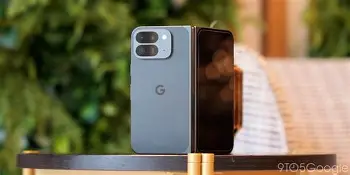
The Pixel 10 Pro Fold, by contrast, is designed around the foldable experience. The external cover display and the internal expansive panel enable tablet-like workflows. This design is ideal for those who value screen real estate for reading, multitasking, or sketching, but it brings trade-offs: a thicker profile when folded, a visible hinge area, and a different center of gravity that changes how the device feels in pockets or when held for long periods.
Display and Media Consumption
For users who consume a lot of video and play games, display quality and size matter. The Xiaomi 15T Pro typically targets high refresh rates and bright HDR-capable panels that suit gaming and outdoor visibility. The Pixel 10 Pro Fold’s inner foldable display offers a larger canvas for split-screen apps, document editing, and immersive media viewing. The outer display retains usefulness for quick tasks without unfolding.
In practice, the foldable’s advantage shows when multitasking-heavy work is common—running two apps side-by-side, editing documents while referencing another window, or reading long-form content without excessive scrolling. The slab phone wins for comfortable one-handed browsing, consistent brightness across the entire front, and generally lower likelihood of crease-related complaints over time.
Performance and Everyday Use
Performance expectations for both devices are high: Snapdragon or equivalent silicon paired with ample RAM should handle daily apps, gaming, and productivity. The Xiaomi 15T Pro often emphasizes peak performance and thermal headroom for sustained gaming sessions, making it attractive to mobile gamers who want steady frame rates without throttling.
The Pixel 10 Pro Fold is optimized for multi-window use and may prioritize efficiency and seamless transitions between folded and unfolded states. Real-world performance for productivity—document editing, presentations, video calls—depends not only on raw CPU/GPU power but also on software optimizations that handle the fold/unfold transitions smoothly.
Discover deals on Mobile Phones — updated daily.
View Offers →Cameras and Imaging
Camera systems are a central buying driver. Xiaomi historically packages impressive hardware—large sensors, high-resolution main cameras, and telephoto or periscope lenses—targeting versatility for daylight and low-light shots. Computational photography and aggressive tuning typically yield vivid, high-contrast images straight out of the camera.
Google’s Pixel line, extended to a Fold model, focuses on computational excellence and color consistency. The Pixel 10 Pro Fold would be expected to deliver class-leading stills processing, especially in challenging lighting, with intelligent HDR, natural skin tones, and excellent night modes. For buyers who prioritize point-and-shoot simplicity and consistent results across scenes, Pixel’s approach often wins.
Real-world considerations: Xiaomi’s hardware advantage may provide better optical zoom range and higher resolution for cropping, while the Pixel’s computational pipeline may produce more reliable exposures and color reproduction for social sharing and editorial work without post-processing.
Battery Life and Charging
Battery performance in real use is shaped by display size and refresh rate. The Xiaomi 15T Pro’s single high-efficiency panel…The Pixel 10 Pro Fold’s larger internal display draws more power when unfolded, which can reduce endurance during long tablet-like sessions. However, foldable software that encourages efficient background behavior and adaptive refresh rates can mitigate some drain. Buyers who prioritize all-day heavy multitasking on the unfolded display should expect shorter runtime unless the foldable includes a higher-capacity battery or very efficient charging solution.
Software, Updates, and Ecosystem
Software experience is a major differentiator. Xiaomi’s UI layers add features, customization, and aggressive performance optimizations; they also include additional apps and settings that some buyers appreciate and others find intrusive. Update policies vary by region and model—buyers should verify promised Android version upgrades and security update cadence before purchase.

Google’s Pixel devices tend to offer the cleanest Android experience and longer, more predictable update guarantees. The Pixel 10 Pro Fold would likely receive timely major Android releases and extended security patch support, which is valuable for long-term ownership and resale value.
Durability and Repairability
Foldables introduce new failure modes—hinge wear, display crease, and dust ingress at hinge points. While modern foldables have improved durability, buyers must accept a higher risk profile compared to slab phones. Repair costs for foldable displays remain higher, and availability of parts can affect long-term ownership expenses.
Looking for the best Mobile Phones deals on Amazon?
See Deals →Slab phones like the Xiaomi 15T Pro are easier and less costly to repair in many regions, with widely available replacement screens and batteries. For users who value low-cost repairs and robust daily endurance (e.g., outdoor professionals), the traditional phone has an advantage.
At-a-Glance Comparison
| Category | Xiaomi 15T Pro | Pixel 10 Pro Fold |
|---|---|---|
| Form Factor | Traditional slab — thin, pocket-friendly | Foldable — compact folded, tablet-sized unfolded |
| Display | High-refresh, bright, consistent front display | Large inner foldable panel, outer cover display for quick tasks |
| Performance | Optimized for sustained high performance and gaming | Balanced for multitasking and fold/unfold transitions |
| Camera Philosophy | Hardware-focused with versatile lenses | Computational photography with consistent results |
| Battery & Charging | Predictable all-day life; fast wired charging | Variable life—larger screen uses more power; charging varies |
| Software & Updates | Feature-rich manufacturer skin; update cadence varies | Clean Android with longer, predictable updates |
| Durability & Repair | Easier, cheaper repairs; time-tested durability | Higher repair cost; hinge/display longevity should be considered |
| Best For | Gamers, value-minded flagship buyers, one-handed users | Productivity users, multitaskers, media consumers who prefer tablet-sized screen |
Pros & Cons
Xiaomi 15T Pro
- Pros: Strong value for performance; ergonomic slab design for one-handed use; likely excellent charging speeds and thermal management; versatile camera hardware for zoom and high-resolution shots.
- Cons: Manufacturer skin may include bloat; update commitment may be shorter than the competition; less screen real estate for split-screen productivity compared with a foldable.
Pixel 10 Pro Fold
- Pros: Large inner display ideal for multitasking and media; refined computational photography and consistent color science; clean Android experience with reliable and longer software support.
- Cons: Thicker and heavier when folded; higher repair costs and potential hinge wear; shorter battery life under heavy unfolded use; premium price that reduces perceived value for users who don’t exploit the foldable features.
Buying Guide: Which One Should a Buyer Choose?
Choosing between these two requires assessing daily priorities. The decision often comes down to whether the foldable form factor solves more problems for the buyer than it creates.
Considerations by Use Case
- Frequent Travelers and Commuters: If pocketability, single-handed convenience, and reliable battery life are important, the Xiaomi 15T Pro is more practical. Its predictable slab design makes it easier to use on trains and in pockets.
- Mobile Productivity and Multitaskers: For those who edit documents, multitask with multiple windows, or prefer a tablet-sized canvas without carrying a separate tablet, the Pixel 10 Pro Fold offers unique advantages. However, the buyer should be ready to accept a higher price and potential trade-offs in battery life and repairability.
- Mobile Gamers: Gamers who demand sustained high frame rates and minimal thermal throttling will likely prefer the Xiaomi 15T Pro for its balance of performance and ergonomics.
- Photography Enthusiasts: Buyers who prefer point-and-shoot simplicity with top-tier computational results may favor the Pixel fold’s image processing. Those who want flexible optics (optical zoom, high resolution) might prefer Xiaomi’s hardware-centric approach.
- Longevity and Resale Value: If long-term software support and resale value matter, Pixel devices generally offer a clearer update roadmap. Foldables are improving, but slab phones typically have broader aftermarket repair options and lower long-term maintenance costs.
Practical Tips Before Purchase
- Verify the official software update promise for the specific model and region—longer update windows increase long-term value.
- Consider storage configurations and whether expandable storage is supported; heavy photo and video users should prioritize higher base storage.
- Test the foldable in person when possible to assess hinge feel, crease visibility, and weight distribution—these physical attributes are subjective and best judged hands-on.
- Check local repair options and insurance pricing for foldables; an extended warranty or accidental damage plan can materially affect lifetime ownership costs.
- Evaluate accessory ecosystems: cases, styluses, docks, and carriers’ support for foldable features can change the everyday experience.
Price Versus Value: How to Think About the Math
Price is not the same as value. Value includes initial cost, utility during ownership, and long-term costs such as repairs and software longevity. A lower-cost slab flagship like the Xiaomi 15T Pro can deliver a higher value ratio for users who want raw performance, long battery cycles, and lower repair costs. Conversely, the Pixel 10 Pro Fold offers unique functional value (bigger screen, split-screen productivity) that no slab can match—so for users who actually use those foldable-specific workflows every day, the premium may be justified.
Buyers should model their typical week: how many hours are spent editing documents, watching long-form video, shooting low-light photos, or gaming? If the foldable’s strengths align with most of those hours, the higher upfront cost is more likely to pay off.
Conclusion
Both the Xiaomi 15T Pro and the Pixel 10 Pro Fold are compelling in their own right, but they suit different buyer profiles. The Xiaomi 15T Pro represents high-end value within a conventional form factor: it appeals to buyers who prioritize performance, price efficiency, and repairability. The Pixel 10 Pro Fold offers a distinct experience centered on screen real estate, multitasking, and Google’s computational photography and software support—best for users who will regularly use the unfolded display and appreciate timely OS updates.
Ultimately, the better value depends on which features a buyer will actually use. For most people seeking a powerful, reliable daily driver with fewer long-term unknowns, the Xiaomi 15T Pro will be the more economical and risk-averse choice. For those whose workflows genuinely benefit from a larger, foldable display and who accept the premium and maintenance trade-offs, the Pixel 10 Pro Fold provides a form-factor advantage that can transform how a phone is used throughout the day.